Three projects, with the numbers
Three projects we can put numbers on. Two of them are the same client, two years apart, because that says more about how we work than a longer list would.










Who we work with
Our clients are Swiss small and medium-sized companies. Most of them have no marketing department, or one person who runs marketing next to another job. That single fact shapes everything about how we work: the budgets are real money, the decisions are made by the owner, and nobody has time for a process.
The industries vary more than the problems do. Building technology, adult education, landscaping, and a few that fit no neat category. The logos above are companies we work with or have worked with.
Most of them sit in Winterthur, Zurich and eastern Switzerland. We are in Winterthur, about twenty minutes from Zurich by train. Most of the work runs over video calls and email, so distance is rarely what decides anything.
What people call us about
Three patterns come up again and again. Each of the case studies below is one of them.
Demand that arrives at the wrong time of year
Some businesses sell into a season. The enquiries stop in October, and the work that fills next spring has to be won now. Thermogreen had exactly that. The task was not more awareness. It was moving a decision forward by four months.
No marketing team, and no plan to build one
You need the work done. You do not need an account manager, a weekly meeting and a strategy document nobody reads. This is the most common reason companies come to us, and it is why our ongoing support is deliberately small.
The campaigns run, but the numbers cannot be trusted
Tags were added over the years whenever something was needed. Nobody can say which enquiry came from where. ibW had this, and it had a specific cost: the bidding algorithm was not getting enough signal to optimise against.
The three case studies
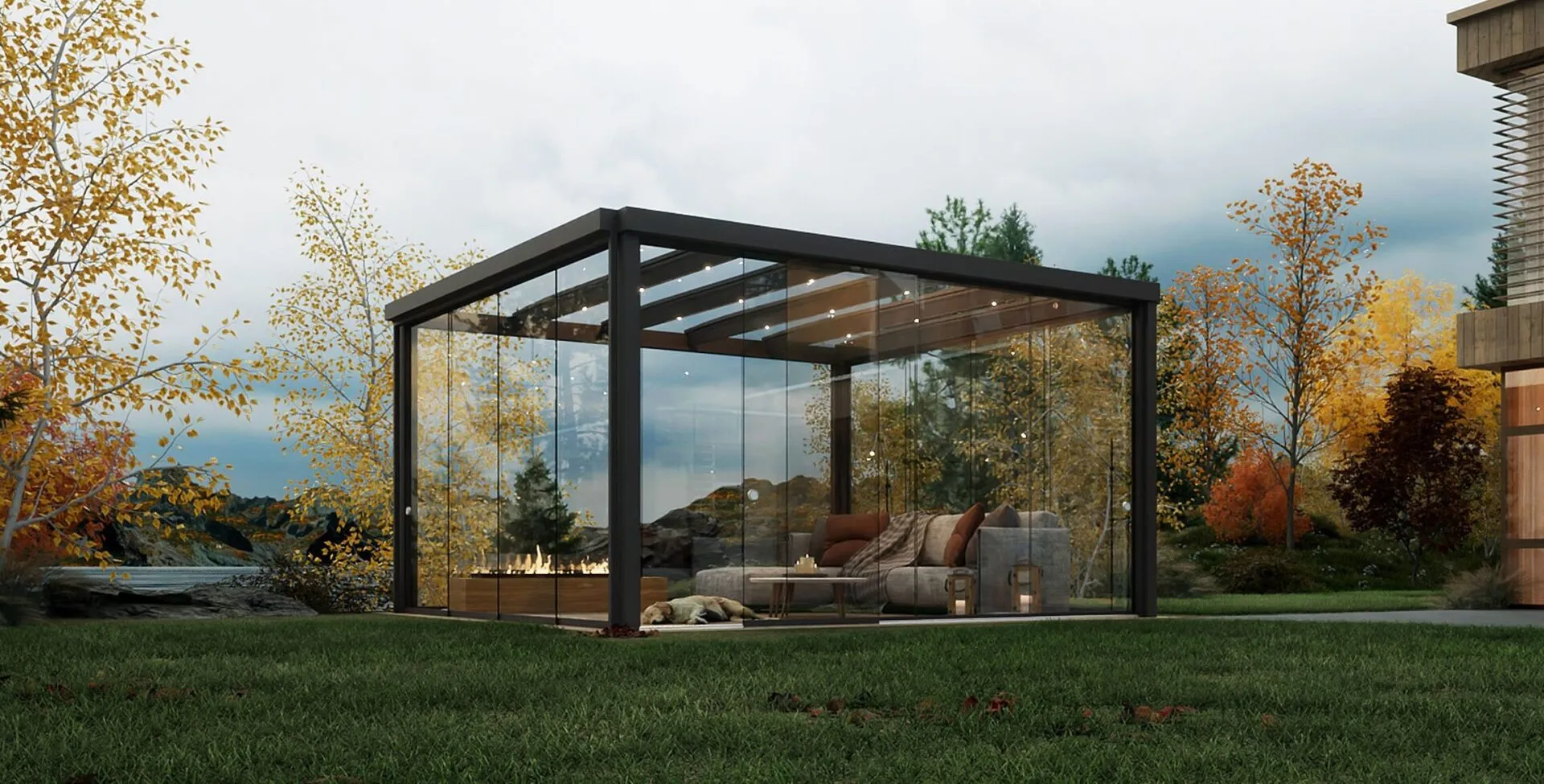
Thermogreen AG: a 7.5 return on ad spend in the off season
Thermogreen AG: 217 leads a month with ongoing marketing support

ibW: over 50 tags, and the reason it was not about the tags
Our other client work is documented in German. If you would like to see a case from your own industry, ask and we will walk you through it.
What the three have in common
Measurement came first
In all three, the tracking was built or rebuilt before anything else. Not because tracking is interesting, but because a campaign you cannot measure is a campaign you cannot improve. The ibW case is nothing but that step.
The budgets are SME budgets
None of these are large media budgets. That is the constraint the work is built around. With a small budget you cannot spend your way past a bad setup, so the setup has to be right before the money goes out.
The number and the caveat sit in the same document
One of these cases reports a return on ad spend of 7.5. The same case names three things we would do differently, and states that the ad creative was produced by the platform at no cost. Another has no performance figure at all, and says why. Both belong in a case study that is worth reading.
The same client appears twice
Thermogreen is in here two times, two years apart. A first campaign, and then what happened when the work became ongoing: an average of 217 leads a month. Two years with one client says more about how we work than ten logos would.
What these case studies do not tell you
They are three projects, not a portfolio. Every number in them comes out of one account, in one market, under one set of conditions. That makes each one evidence that something worked once. It does not make it a forecast for your company, and anyone who presents it that way is selling you something.
If you want to know what is realistic for your situation, the honest answer needs your numbers rather than ours. That is what a first conversation is for, and it is free.

Similar results for your company?
Tell us what you are working on, and we will say honestly what is realistic.
Send us a message